icon

THERE'S A BETTER WAY TO BUILD YOUR PROJECTS

GFRP, or Glass Fiber Reinforced Polymer, is a composite material that has gained significant attention in the construction industry. It is made by reinforcing plastic resin with fine glass fibers, resulting in a lightweight yet durable material. GFRP offers several advantages over traditional construction materials, such as steel, like high strength, corrosion resistance, and design flexibility. It has found application in various structural elements, such as reinforcing bars, grids, panels, and profiles. With its exceptional properties, GFRP is revolutionizing the way we build, providing sustainable and innovative solutions for a wide range of construction projects.

GFRP bars, mesh, and beam elements are key components in the construction industry, revolutionizing the way structures are built. GFRP, or Glass Fiber Reinforced Polymer, is a composite material that combines the strength of glass fibers with the versatility of polymer resins.
img

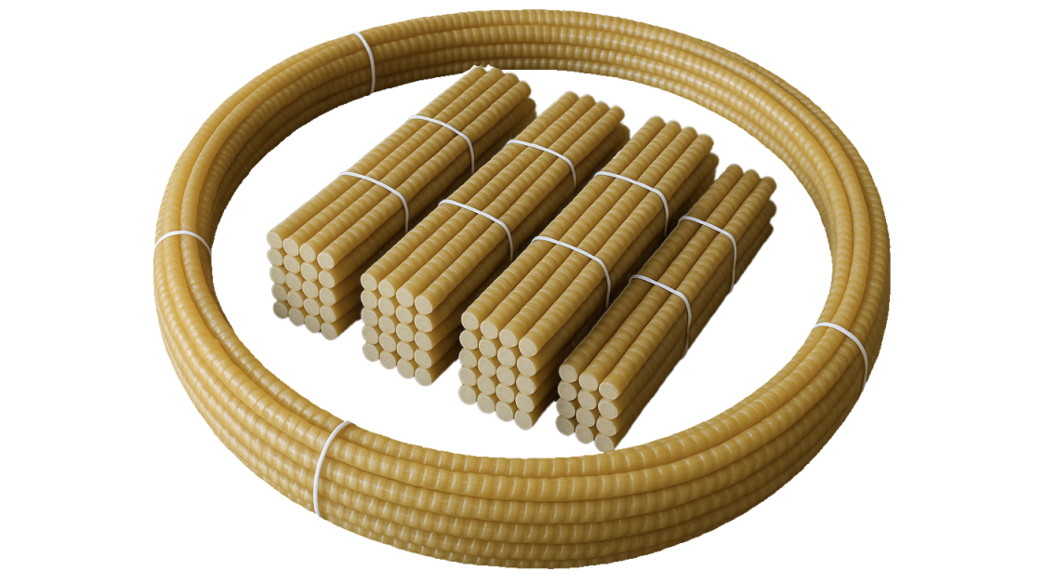
GFRP Rebar

GFRP bars are used as an alternative to traditional steel reinforcement bars (rebar) in concrete structures. They offer excellent corrosion resistance, as they are not susceptible to
img

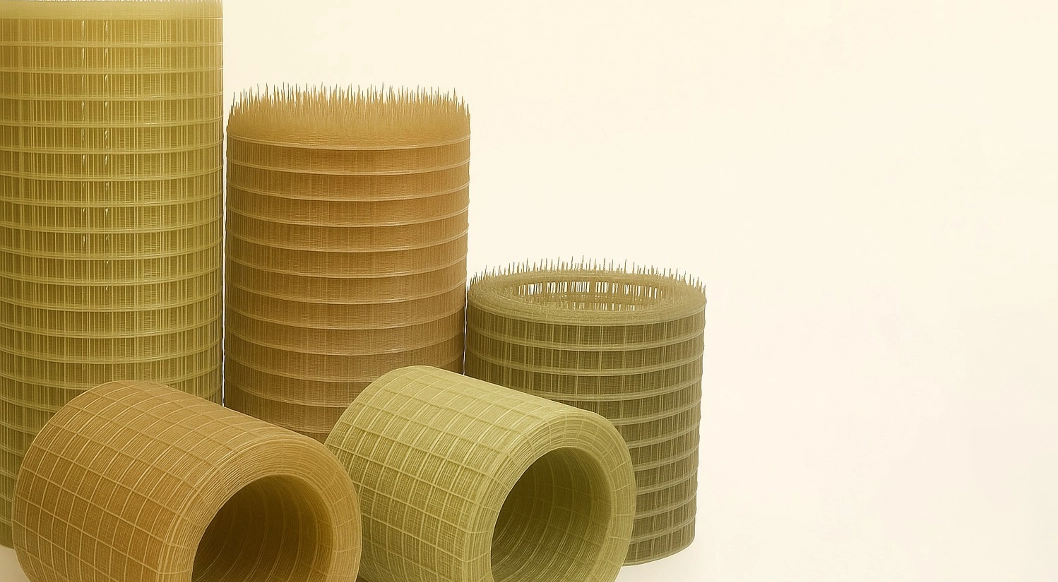
GFRP Mesh

GFRP mesh, also known as fiberglass mesh, is a sheet of interwoven GFRP strands. It is used for reinforcing concrete slabs, walls, and other structural elements. GFRP mesh offers the same benefits as GFRP bars, including corrosion resistance, lightweight, and high strength.
img

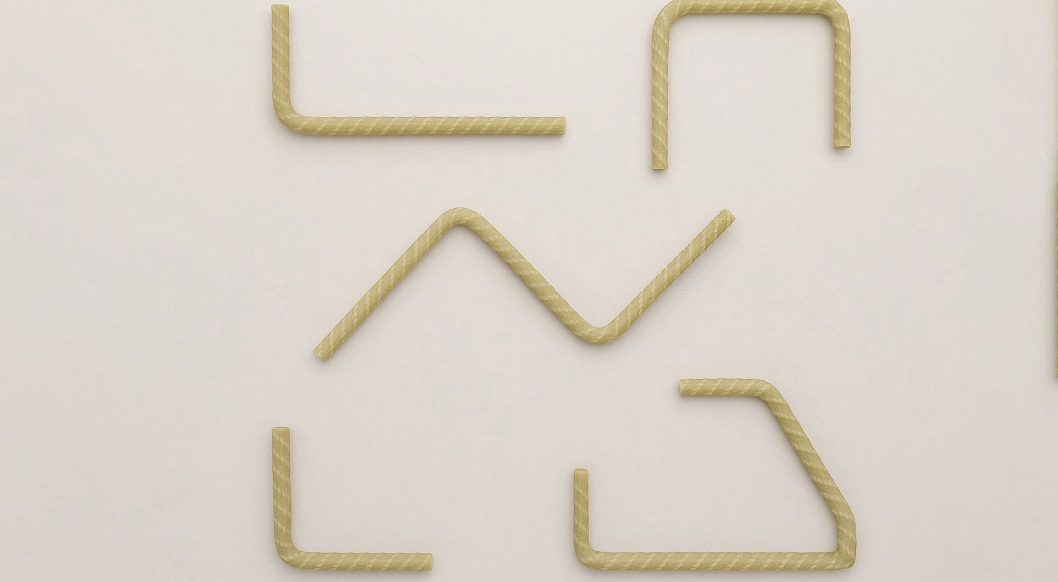
GFRP Bent Element

GFRP (Glass Fiber Reinforced Polymer) bent elements refer to structural components made from a composite material that combines glass fibers and a polymer resin matrix. These elements are custom made and designed with specific bends, angles, or curves to suit various construction and infrastructure applications.

  • 2X STRONGER THAN STEEL
  • 80% LIGHTER THAN STEEL
  • SAVINGS ARE BETWEEN 30-60%*
  • 100% CORROSION RESISTANT
  • UPTO5X FASTER EXECTUION
  • icon
    Stronger than Steel

    GFRP mesh, also known as fiberglass mesh, is a sheet of interwoven GFRP strands. It is used for reinforcing concrete slabs, walls, and other structural elements.

  • icon
    80% Lighter than steel

    GFRP mesh, also known as fiberglass mesh, is a sheet of interwoven GFRP strands. It is used for reinforcing concrete slabs, walls, and other structural elements.

  • icon
    Upto 30% Savings as Compared to TMT Bars

    GFRP mesh, also known as fiberglass mesh, is a sheet of interwoven GFRP strands. It is used for reinforcing concrete slabs, walls, and other structural elements.

  • icon
    Saving in Overlapping Cost

    GFRP mesh, also known as fiberglass mesh, is a sheet of interwoven GFRP strands. It is used for reinforcing concrete slabs, walls, and other structural elements.

ARE THESE THE BIGGEST PROBLEMS IN YOUR PROJECT?

icon

Cost escalations eating into project profitability.

icon

Hidden losses from steel scrap, wastage & reconciliation hassles.

icon

Delays in finishing projects due to labour issues

icon

Struggling to guarantee on-time completion without hidden surprises.

icon

Theft in transit or from site, draining margins.

icon

Daily price fluctuations making tender profits vanish.

icon

Wanting peace of mind that your structure will remain strong and maintenance-free for decades.

icon

GFRP has superior corrosion resistance against moisture and salt compared to metals.

THE HISTORY OF GLASS FIBER REINFORCED POLYMER

1930

FRP's first application was a boat in the mid-1930s.

1950

Fiberglass, carbon, and aramid were subsequently used in military applications, including ships and aircraft.

1950

Research on FRP in construction started in the 1950s.

1970

Gaining quality in the 1970s with pultrusion.

1980

Corrosion issues in existing buildings increased interest in composites in the 1980s. The first FRP system, a prestressed GFRP rebar in a pedestrian bridge, was built in the 1980s.

1990

In the 1990s, Japan led in FRP usage.

2000

China became the largest user of FRP for new structures in the 2000s.

2010

Automotive Evolution:  The automotive industry increasingly used GFRP composites for electric and  autonomous vehicles to reduce weight and improve efficiency.

2020

Sustainable Construction: GFRP is being used in innovative and FRP's first application sustainable construction methods, contributing to energy-efficient and environmentally friendly buildings.

2023

Several countries worldwide are using GFRP in large sectors, and this trend he is expecting to grow
icon
icon

50+ COUNTRIES USING GFRP Bars, GFRP Mesh, GFRP Bent Elements

img

“WE WILL GIVE PRIORITY FOR USE OF GLASS FIBER BAR IN ROAD CONSTRUCTION AND BRIDGES”

Shri. Nitin Gadkari (Minister for Road Transport & Highways) Govt. of India

img

WHAT SH. NITIN GADKARI HAS TO SAY ABOUT GFRP REBAR?

icon

IIT HYDERABAD RESEARCHERS PROPOSE USE OF GFRP REBAR

It is a robust solution with lower life cycle cost for increasing the longevity of many civil infrastructure applications, said Prof Murty, Director, IIT Hyderabad.

  • icon

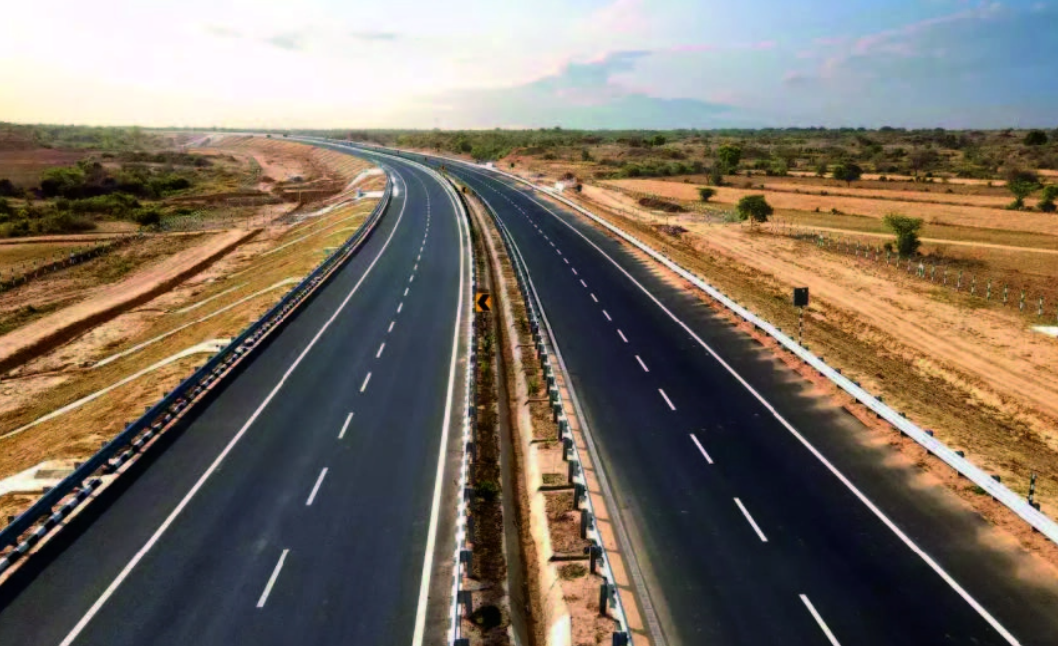
    GFRP rebars find applications in Road construction, Dams, Bridges, Rail Structures and Foundations of Buildings and Bridges.

  • icon Research at 11TH helps the Bureau of Indian Standards (BIS) develop standards for promoting GFRP bars in various infrastructure applications.
  • icon GFRP rebars are an attractive alternative to conventional steel rebars for concrete construction, being cost­ effective in many applications compared to steel when the overall life cycle cost is considered.
  • icon GFRP rebars are an attractive alternative to conventional steel rebars for concrete construction, being cost­ effective in many applications compared to steel when the overall life cycle cost is considered.

NOW APPROVED BY PWDS & METROS ACROSS INDIA


APPLICATIONS OF GFRP REBAR/MESH BENT ELEMENTS

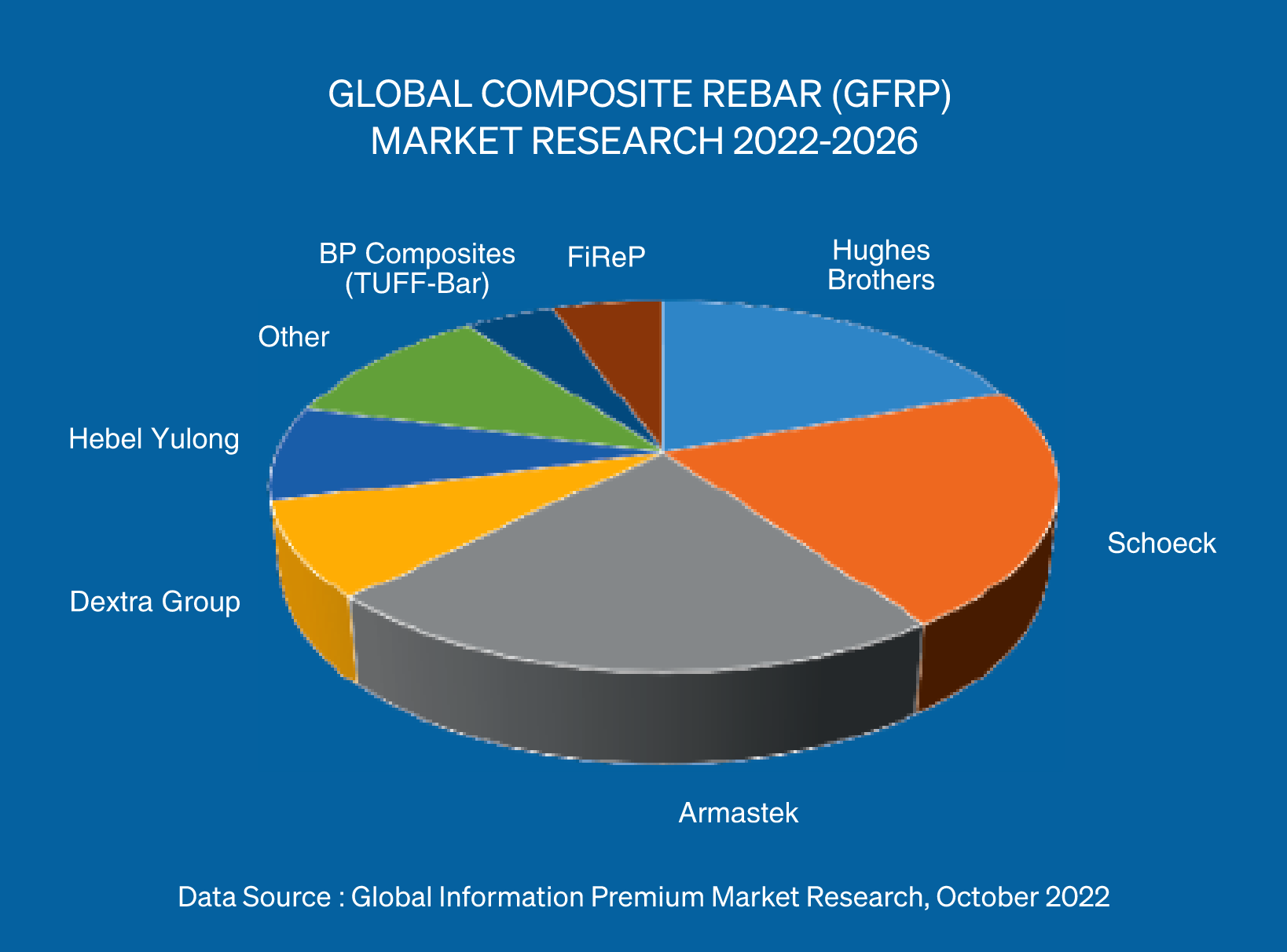
A NEW CHAPTER IN INNOVATION SHRI RATHI COLLABORATES WITH ARMASTEK

Shri Rathi Group aims to revolutionize construction with sustainable, stronger, and more efficient fiberglass products that surpass steel. This partnership promotes eco-friendly building practices, reduces carbon footprints, and enhances structural durability, leveraging their combined expertise to redefine construction through advanced GFRP technology.

img
img

Dhruv Rathi Director

img

Anil Rathi CMD

img

Gopal Rathi Director

OUR TRYST WITH GFRP

Established in 2003 in Delhi, Shri Rathi Group aims to be India’s leading manufacturer of Fiber Reinforced Polymer (FRP) Pultrusion Products. Emphasizing engineering and technology, the company delivers high-quality solutions excelling in strength-to-weight ratio, corrosion resistance, and durability. Their innovative GFRP products surpass traditional materials and serve industries like construction, automotive, aerospace, and marine. Committed to Quality, Cost, and Delivery, Shri Rathi Group drives sustained growth and global recognition for their high-performance GFRP products.
  • 27.5 Lac+

    Metric Ton TMT Bars sold in the 15 years
  • 82+

    Years of Legacy
  • ₹11,340 Crores

    worth TMT bar sold in last 15 years”
  • 1 ST

    company in India to export TMT bars to USA

CASE STUDY GFRP REBAR MESH BENT ELEMENTS

img
The GFRP Revolution in Precast & Sandwich Panel Construction
img
National Highways Authority of India (NHAI)
img
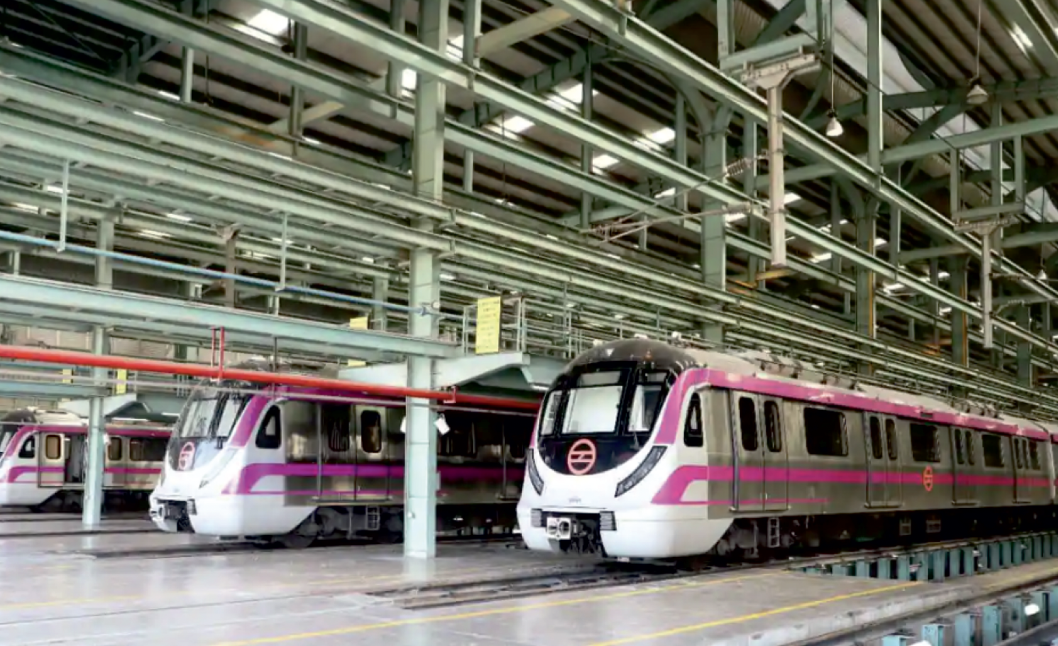
Delhi Metro

FREQUENTLY ASKED QUESTIONS

GFRP is strong in tension, so less reinforcement weight is required for the same job.

GFRP structures need almost no maintenance for 80–100 years, reducing long-term expenses.

Because you buy and handle much less material, and there are no corrosion-related costs.

Per kg GFRP seems costlier, but overall projects are cheaper due to low consumption, less labour, fast installation, no rust treatment, lower transport, and zero theft. Total savings can be up to 30–60%.

GFRP performs extremely well because it does not rust or absorb moisture.

At very high heat, GFRP softens, but concrete protects it. Fire tests show slabs remain structurally safe.

Store flat, avoid dragging, and cover from sunlight. Handling is easy due to low weight.

A grinder or cutting wheel is enough; no special tools are required.

Use normal binding wire; no special tools are needed.

Typically 20–30 mm, and less than steel since GFRP does not rust.

On-site bending can crack GFRP; bending must be done in the factory using controlled heat.

Yes, normal binding wire can be used just like steel.

Yes, GFRP mesh can handle heavy loads when designed properly.

Yes, GFRP mesh is excellent for industrial floors, pavements, warehouses, and slabs.

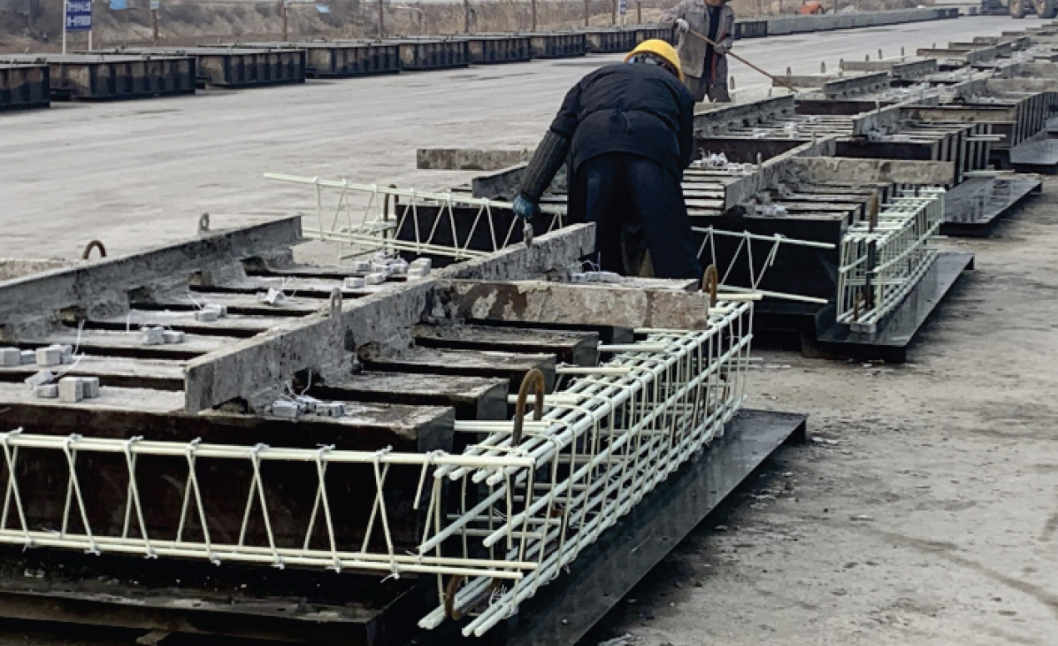
Yes, GFRP is widely used in precast factories as it is light and corrosion-free.

Yes, GFRP is perfect for coastal areas because it does not corrode.

Yes, GFRP does not rust, making it ideal for tanks, pools, and STPs.

Yes, GFRP can be used in slabs and secondary elements; steel is still needed for main beams and columns.

Columns need very high compression strength; GFRP is strongest in tension, not compression.

It can be used in slabs, foundations, pavements, etc., but is not recommended for columns or heavy compression members.

Yes, NHAI projects can use GFRP if it meets design requirements under IRC 137:2022.

India follows ACI 440 (American Concrete Institute) as a reference design standard.

Yes, GFRP is used by BRO, MES, NHAI, and state PWDs like Rajasthan, Gujarat, MP, Karnataka, AP, and Maharashtra.

The Indian guideline is IRC 137:2022 for the use of FRP bars.

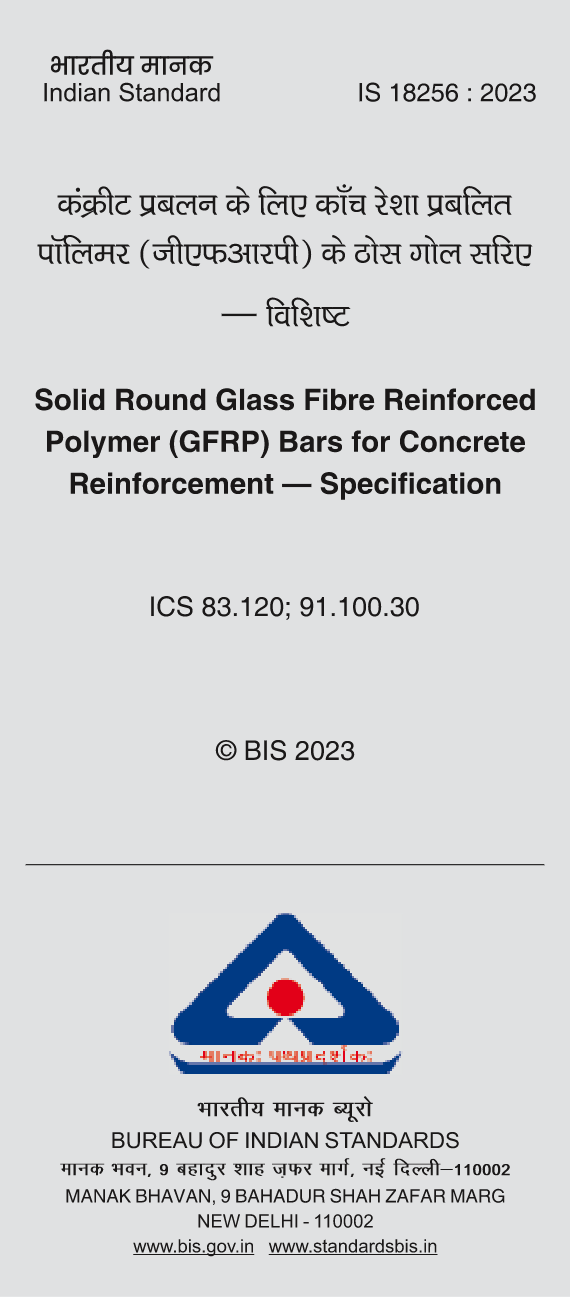
The BIS standards for GFRP are IS 18256:2023 and IS 18255:2023.

The first GFRP vehicular bridge was built in McKinleyville, California, USA.

GFRP began commercial use in the 1990s and is now used in 60+ countries.

Yes, GFRP is used in more than 60 countries across major infrastructure projects.

GFRP typically has 1000+ MPa tensile strength, nearly twice that of steel.

It can be used in floors, pavements, foundations, drains, bridges, coastal works, precast items, and more.

GFRP lasts 80–100+ years because it does not rust or corrode.

It is corrosion‑free, lightweight, strong, easy to handle, non‑conductive, and lasts for decades.

GFRP does not rust, is much lighter, stronger in tension, and does not conduct heat or electricity, unlike steel.

Glass fibres are pulled through resin, shaped, ribbed for grip, and heat‑cured to make solid and durable bars.

GFRP means Glass Fibre Reinforced Polymer. It is made from strong glass fibres and resin, forming a light, strong, rust‑free reinforcement bar.

READY TO PUT AN END TO YOUR REINFORCEMENT PROBLEMS? You dont have to struggle with theft, scrap, cost escalations, or delays anymore.

Let a 7 STAR GFRP Expert connect with you, understand your project requirements, and guide you to the smartest reinforcement solution - one that saves cost, saves time, and delivers strength that lasts for generations.

icon
icon
icon
icon
icon